
When the lights go out in the backcountry, it’s dark. Like really dark. If you want to do anything safely after dark, or get that dawn patrol in before work, you’ll need a some sort of light,
Headlamps are easy to use, can be inexpensive and keep your hands free. Any light will work though. Some small flashlights come with straps to hold them in your hands or on your head.
Let’s dig into everything you need to know to buy a good headlamp for your adventures.
On this page:
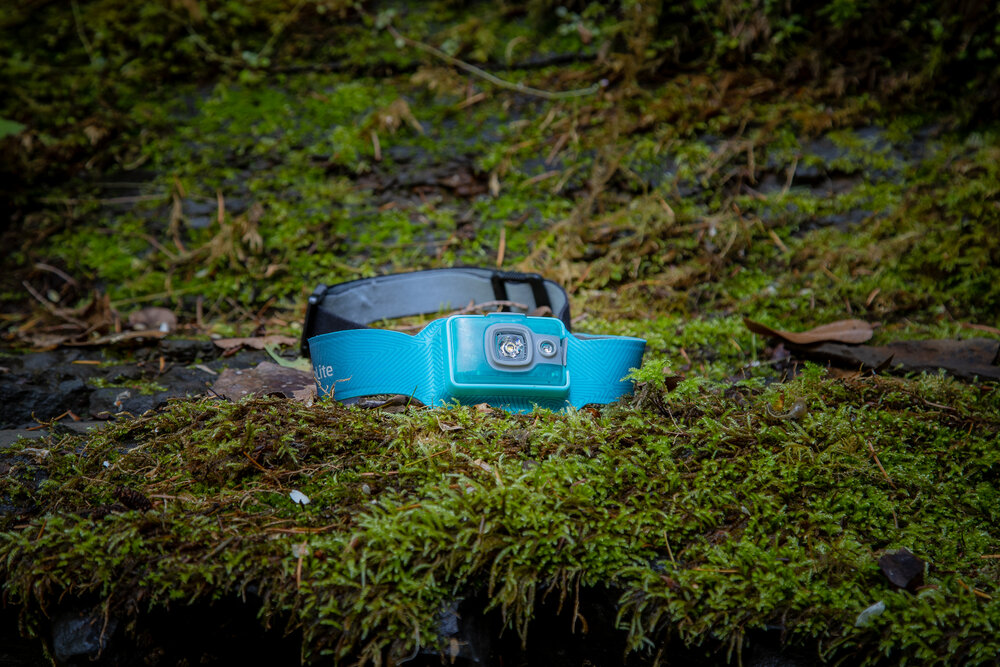
Headlamp Buying Guide
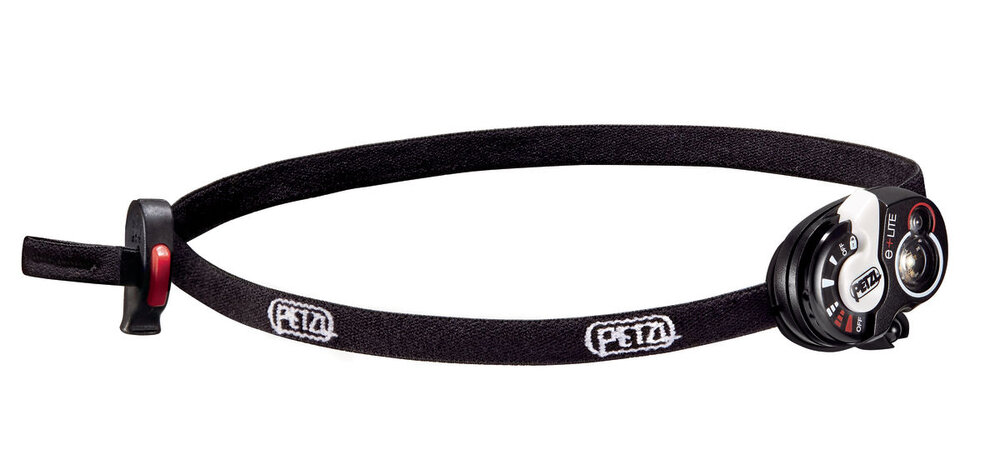
The Petzl e+Lite emergency headlamp
Lumens
Headlamp brightness is measured in lumens.
30 lumens works well for emergency use but for hiking or doing much at night you’ll want more. The e+Lite from Petzl is a very small 26 gram headlamp that puts out 30 lumens. It throws light about 7 metres. It’s a good size to have tucked away for emergencies.
For general purpose lighting and hiking at night, we recommend at least 300 lumens. They are packed into such a small package these days. The BioLite Headlamp 330 (330 lumens) and Petzl Actik Core (450 lumens) are both good picks for general purpose lighting.
450 lumen Actik Core shines out to 90 meters on maximum power. Standard and low will go to 45 and 8 metres.
Fit
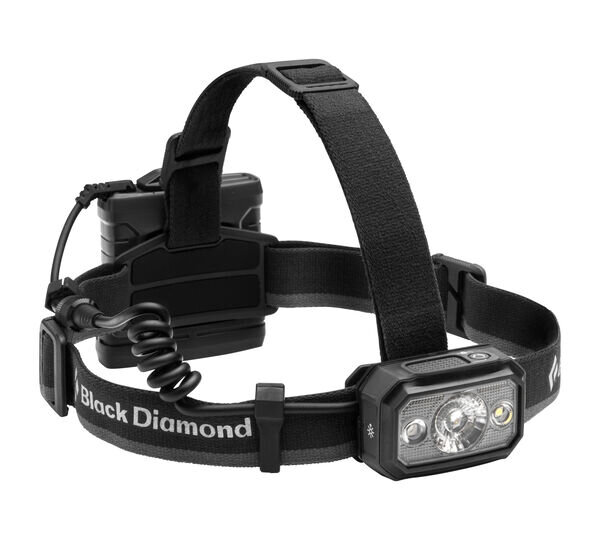
Black Diamond Icon 700 Headlamp very bright and on the large end of headlamps.
Fit is important with headlamps. You may have it on your head for hours at a time.
Small, lightweight headlamps are usually soft and comfortable. They don’t have much weight to hang off your head.
When they get to a larger size like the Icon 700 from Black Diamond, they will be heavier with additional straps and battery packs.
Test out different headlamps if you can to see how they feel. All headlamp straps are adjustable.
We recommend looking for headlamp that’s as light as possible for how bright you need.
Battery life
The bigger the battery the longer the battery. A bigger battery also means more weight. A Black Diamond Icon 700 with it’s large battery pack gets between 190 hours and 7 hours depending on the brightness you set it at. It needs a large battery pack to power than 700 lumens on max. It’s also going to weigh 236 grams (8.3 oz).
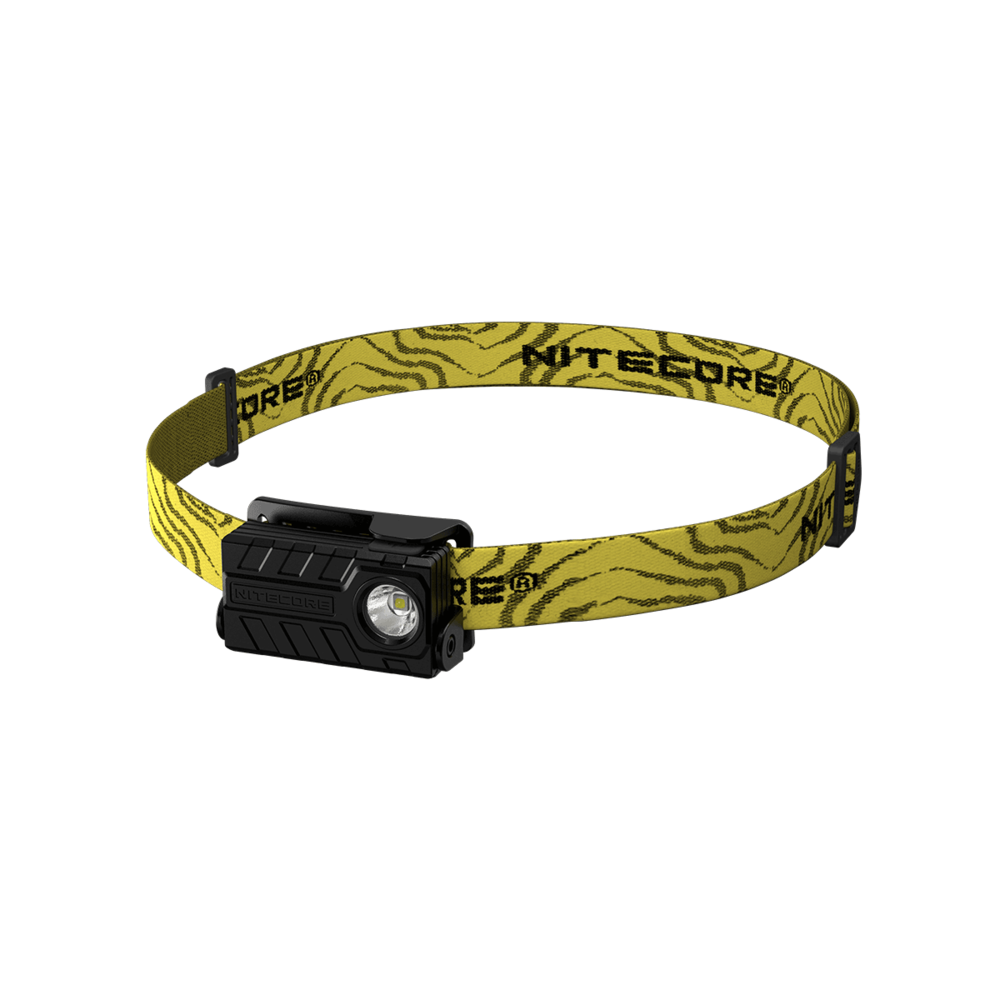
The Nitecore Nu20 headlamp on the other end is only 31 grams (1.09 oz). It packs 360 lumens into the small package so it’s not as bright as the larger headlamps but it’s much lighter. The battery lasts for 100 hours at a very dim brightness.
Most headlamps get between 50 and 150 hours at a decent brightness you can use for hiking. The low power setting is usually enough for tasks around camp when you don’t need to see very far and don’t want to blind your hiking buddies.
When checking battery life, make sure you know how bright the time corresponds to. The Nitecore NU20’s 100 hour battery life is based on it’s ultra-low 1 lumen low setting. The Icon’s battery life of 7 hours looks bad if you base it on the max power setting of 700 lumens. That could light up the whole campsite and you likely won’t use it for long.
If you can compare headlamps based on one of the medium settings, around 100 lumens, it will be a more fair comparison.
Battery style
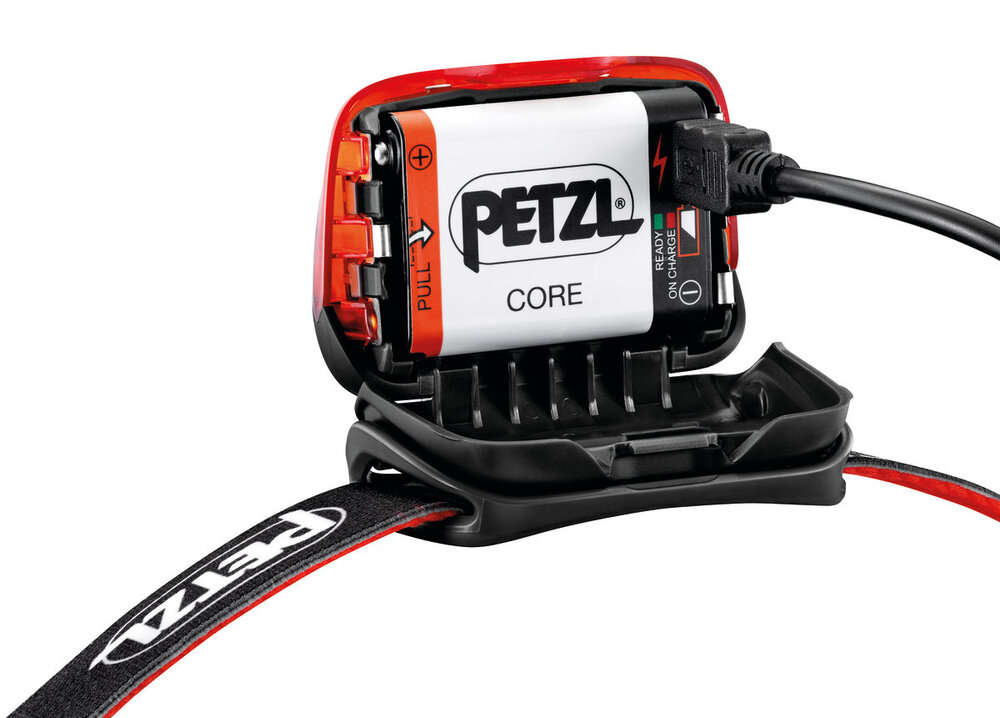
Petzl Actik Core USB rechargeable battery pack
Most headlamps run off AAA, AA or Lithium-ion rechargable packs. AAA and AA are easy to find at any store but are hard to recharge in the field. For USB rechargeable headlamps just take a battery pack and recharge it during the day or as it runs low on juice. Rechargeable units send fewer dead batteries to the landfill.
Petzl has taken a unique approach with some of their Core line of headlamps. The Actik Core comes with a rechargeable battery pack. You can easily get another battery pack to have a backup. It just charges through a micro USB port on the battery pack. The battery pack is conveniently exactly the same size as 3 AAA batteries. If you need to, take out the pack, put in three AAA batteries and you can race off to the outhouse when you need to.
Cost
Headlamps will start around $20 for a decent one and go up from there. Massive lights or very specialized versions can cost upwards of $400 and more.
For a good headlamp for hiking you can expect to spend $50 to $70. This will get you between 300 and 400 lumens and will be plenty for hiking in the dark and doing all your tasks around camp.
Reactive Lighting
Petzl have a unique feature in some of their headlamps called Reactive Lighting. Sensors on the front of the headlamp can detect distance to other objects and adjust the light level accordingly. You don’t want to beam 700 lumens at your buddies face when he’s right in front of you. But if you’re wanting to see across a dark field at night, then you do. The goal with the Reactive Lighting is to improve the battery life by only using the light you need.
Glossary
Lumens – a rating of light based on the amount of light from a candle. 200 to 300 lumens is plenty for hiking.
Accessories
Battery packs – These will be specific to the headlamp. Some of them are built in. The Core series from Petzl use the Core Rechargeable battery.
Headlamp Reviews
Check out our reviews of the latest headlamps.
- Superlight light: UCO Air Headlamp ReviewEveryone needs a good headlamp. And a bright one. And a lightweight one. And a rechargeable one. It would be nice if they were all… Read More »Superlight light: UCO Air Headlamp Review
Headlamp Tips
- Headlamps: How to Buy One for Hiking
 When the lights go out in the backcountry, it’s dark. Like really dark. If you want to do anything safely after dark, or get that… Read More »Headlamps: How to Buy One for Hiking
Other Backpacking Gear
You’ll need more than just a backpack to head out backpacking. Here are buying guides to all the other gear you need for backpacking.
- EXPED MegaMat LXW Sleeping Pad Review
 Camping is so much better when you get a good night sleep. With backpacking, hiking all day almost guarantees a good night sleep. But with… Read More »EXPED MegaMat LXW Sleeping Pad Review
 - Backpacking Gear for Beginners Course
 Welcome to the Backpacking Gear for Beginners Course. This course will walk you through every piece of hiking gear you might need for a short… Read More »Backpacking Gear for Beginners Course
 - Backpacking Gear for Beginners: Dishes
 This post is part of the Backpacking Gear for Beginners course. Why do you need dishes? You probably want to eat while you’re backpacking, right? That usually… Read More »Backpacking Gear for Beginners: Dishes
 - Backpacking Gear for Beginners: PotsThis post is part of the Backpacking Gear for Beginners course. Why do you need pots to cook? Just like at home, you’ll need dishes and cookware… Read More »Backpacking Gear for Beginners: Pots
- Backpacking Gear for Beginners: MidlayersThis post is part of the Backpacking Gear for Beginners course. Why do you need middle layers? On top of your base layers you’ll have midlayers, often… Read More »Backpacking Gear for Beginners: Midlayers
- Backpacking Gear for Beginners: Sun ProtectionWhy do you need sun protection? Sun protection may not just be one thing for you but rather a group. It’s one of the categories… Read More »Backpacking Gear for Beginners: Sun Protection
- Backpacking Gear for Beginners: Sleeping GearThis post is part of the Backpacking Gear for Beginners course. This is where we start to get into the differences between day hiking and backpacking. Day… Read More »Backpacking Gear for Beginners: Sleeping Gear
- Backpacking Gear for Beginners: Waterproof JacketThis post is part of the Backpacking Gear for Beginners course. Why do you need a waterproof jacket? It’s hard to stay warm when you’re wet. A… Read More »Backpacking Gear for Beginners: Waterproof Jacket
- Backpacking Gear for Beginners: FirestarterThis post is part of the Backpacking Gear for Beginners course. Why do you need a firestarter? Part of the 10 Essentials is something to light fire… Read More »Backpacking Gear for Beginners: Firestarter
- Backpacking Gear for Beginners: TentThis post is part of the Backpacking Gear for Beginners course. Other options are a hammock with a tarp over it, or just a tarp over a… Read More »Backpacking Gear for Beginners: Tent
- Backpacking Gear for Beginners: Waterproof PantsThis post is part of the Backpacking Gear for Beginners course. Why do you need waterproof pants? Just as you need a waterproof jacket for your hike,… Read More »Backpacking Gear for Beginners: Waterproof Pants
- Backpacking Gear for Beginners: Batteries and Battery PacksThis post is part of the Backpacking Gear for Beginners course. Why do you need batteries and a battery pack? Most people take things hiking that require… Read More »Backpacking Gear for Beginners: Batteries and Battery Packs
- Backpacking Gear for Beginners: Sleeping MatThis post is part of the Backpacking Gear for Beginners course. Why do you need a sleeping mat? Since you’re going to be sleeping outside, you need… Read More »Backpacking Gear for Beginners: Sleeping Mat
- Backpacking Gear for Beginners: SocksThis post is part of the Backpacking Gear for Beginners course. Why do you need socks? Chances are slim that you can wear hiking boots or walk… Read More »Backpacking Gear for Beginners: Socks
- Backpacking Gear for Beginners: SoapThis post is part of the Backpacking Gear for Beginners course. Why do you need soap? Soap is optional on the trail but it’s nice to have.… Read More »Backpacking Gear for Beginners: Soap
- Backpacking Gear for Beginners: The 10 EssentialsThis post is part of the Backpacking Gear for Beginners course. Pack the 10 Essentials The 10 Essentials is a short list of essentials for… Read More »Backpacking Gear for Beginners: The 10 Essentials
- Backpacking Gear for Beginners: Sleeping BagThis post is part of the Backpacking Gear for Beginners course. Why do you need a sleeping bag? Sleeping outside is going to get a little chilly.… Read More »Backpacking Gear for Beginners: Sleeping Bag
- Backpacking Gear for Beginners: HatThis post is part of the Backpacking Gear for Beginners course. Why do you need a hat? Hats aren’t required but they are nice to have in… Read More »Backpacking Gear for Beginners: Hat
- Backpacking Gear for Beginners: Garbage BagThis post is part of the Backpacking Gear for Beginners course. Why do you need garbage bags? Most trails don’t have garbage bins every kilometer so you’ll… Read More »Backpacking Gear for Beginners: Garbage Bag
- Backpacking Gear for Beginners: BackpackThis post is part of the Backpacking Gear for Beginners course. Why do you need a backpack? Backpacking is all about what you can carry… Read More »Backpacking Gear for Beginners: Backpack